Every guide, playbook, case study, and article. Filter by topic to find what you need.
Showing 30 resources.
Three new capabilities (collaborative tasks, assignment paths, and form response triggers) built to address the operational gaps that grow as franchise networks scale.
Brand drift is not a people problem. It is a systems problem. How franchise operators are building consistency by making the right thing the easy thing.
Why the franchise LMS is failing your frontline team, and what AI-powered microlearning does differently.
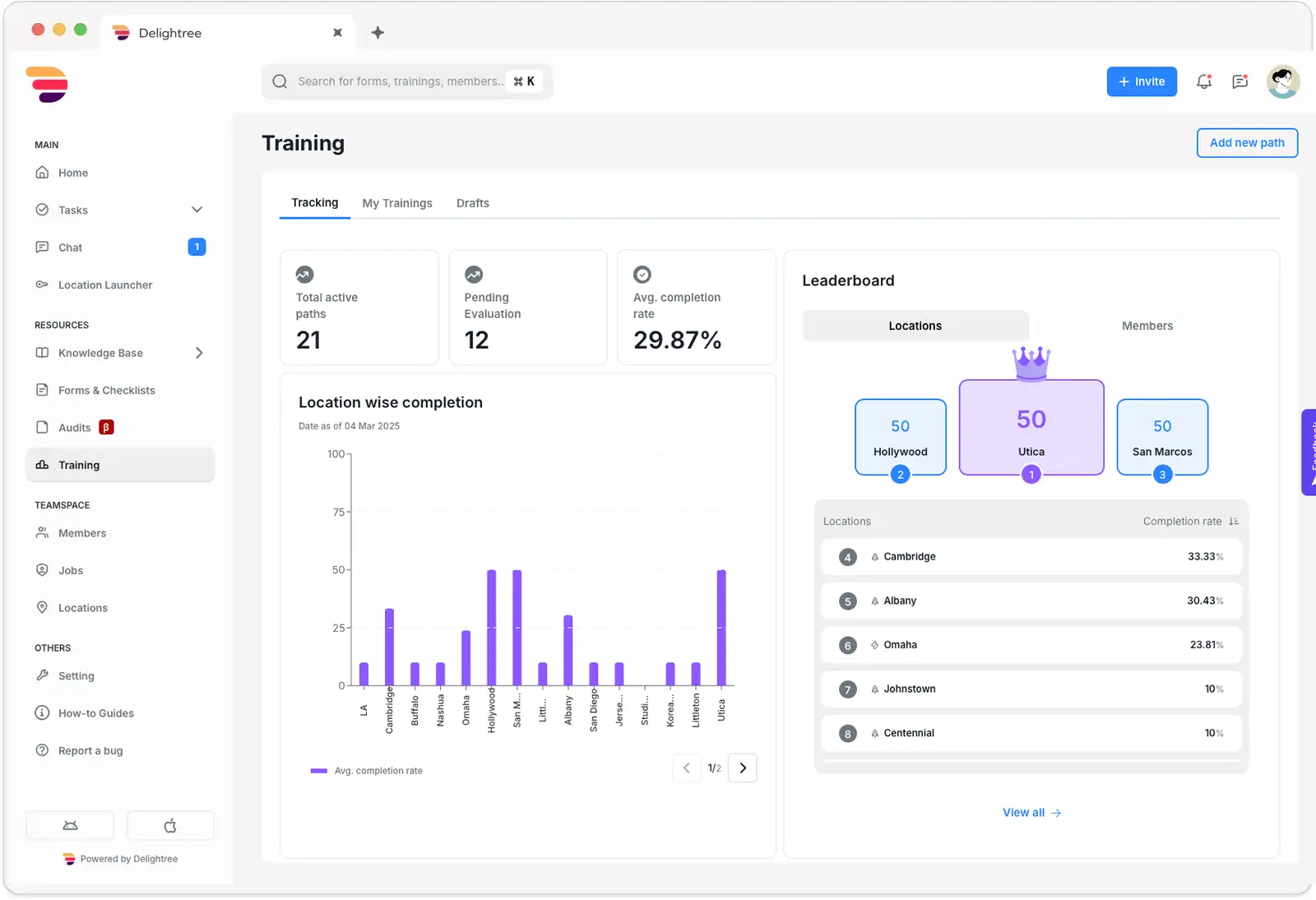
Training Paths v2 brings automated sequencing, scored quizzes, cross-training enrollment, and mobile-first delivery to franchise onboarding and certification.
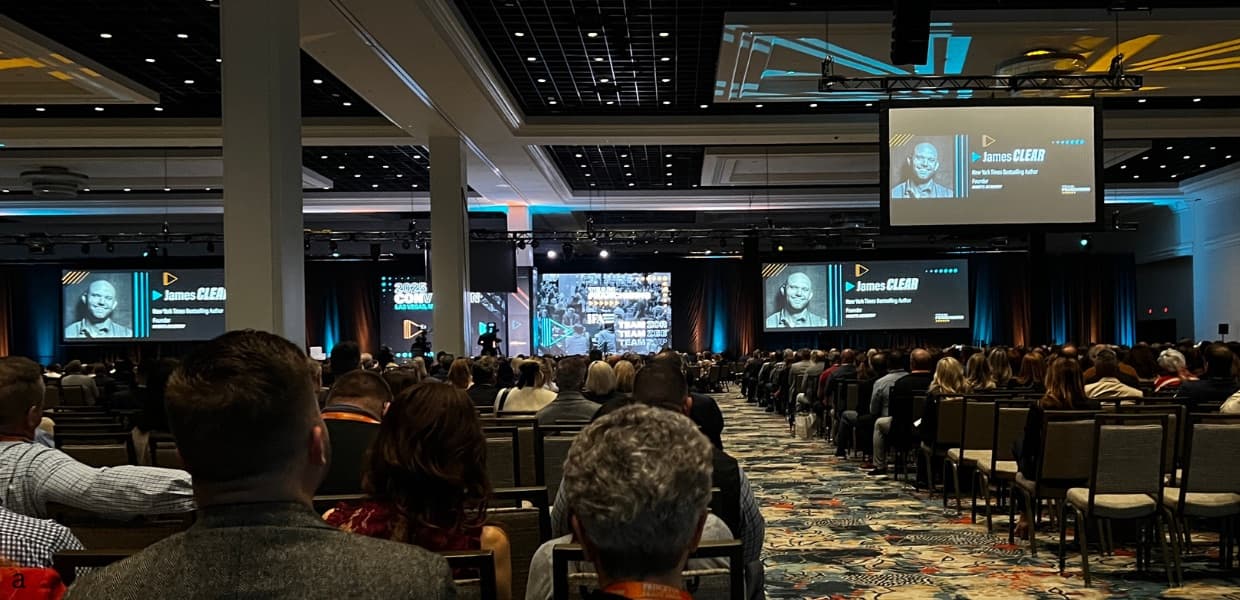
James Clear's Atomic Habits at the 2025 IFA Convention reframed a question franchise operators ask constantly: why do some systems scale effortlessly while others stall?
Why most franchise software rollouts fail, and the change management framework that closes the gap between purchase and adoption.
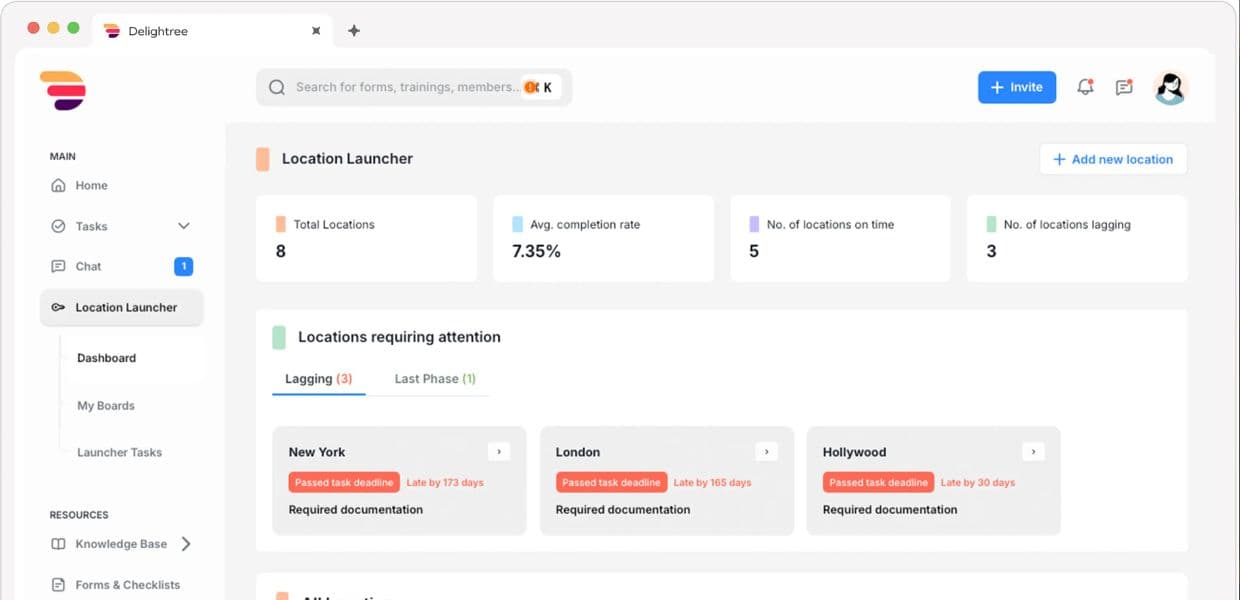
Seven new capabilities in Location Launcher v2, built to handle the complexity that grows with every new type of location you open.
How Delightree AI Search brings on-demand answers to franchise teams, grounded in your approved SOPs, not the open internet.
The five areas where franchises typically try to use free tools, and where the hidden costs of stitching them together start to add up.
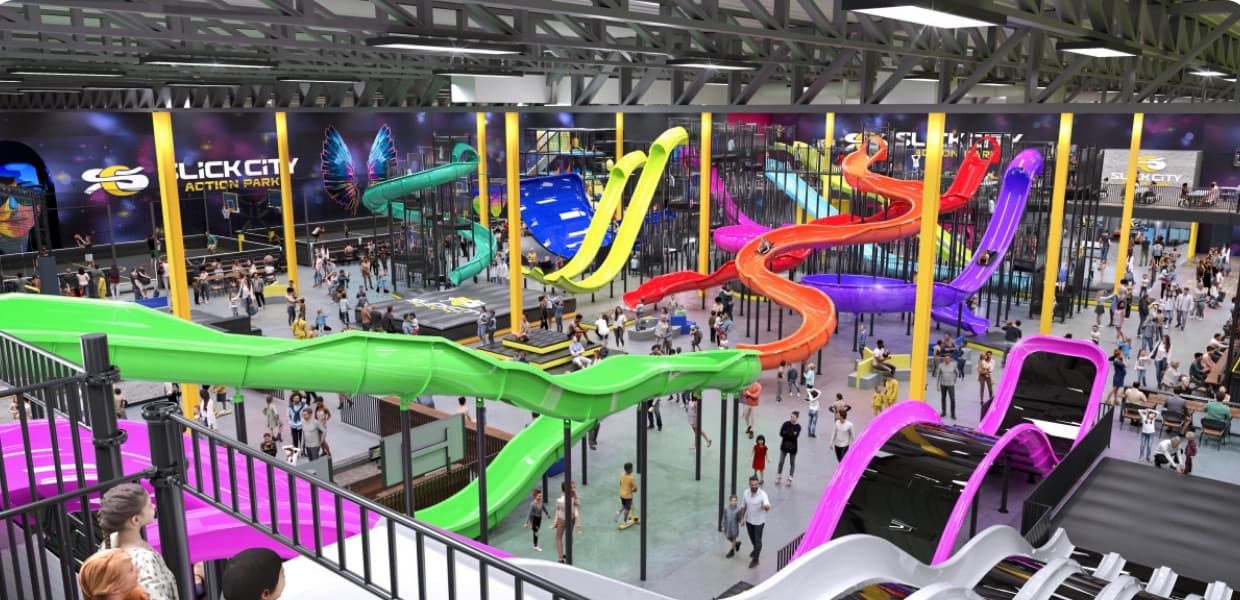
How Slick City replaced five tools with one unified system to build a repeatable location opening process as they scaled to 32+ territories.
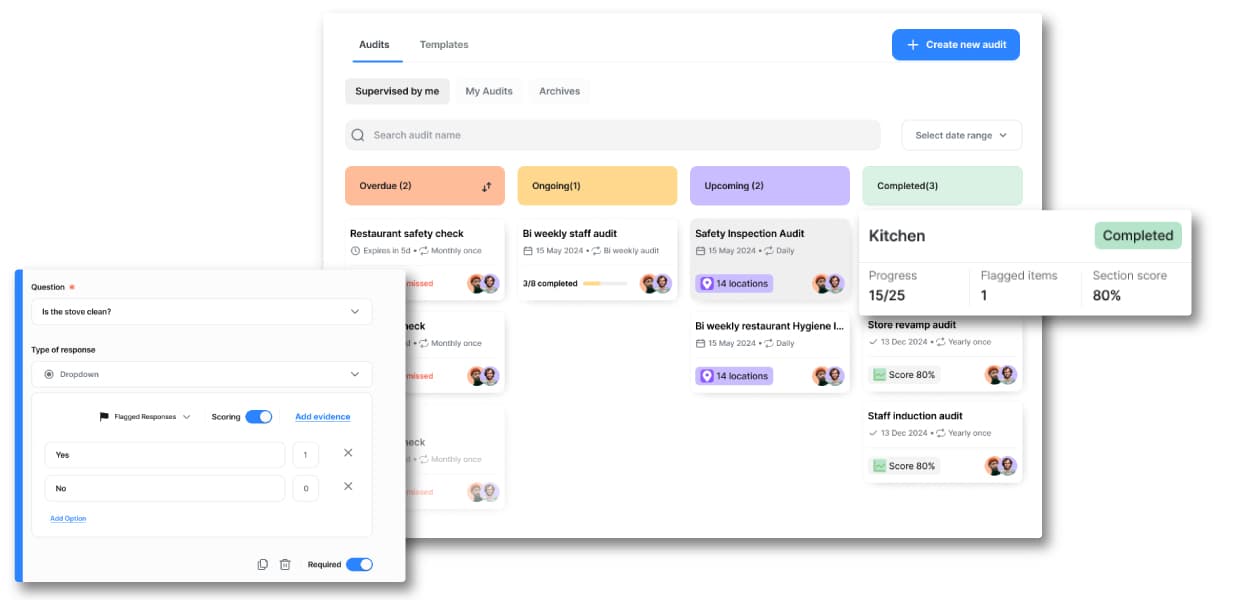
Delightree Audits replaces paper checklists, disconnected spreadsheets, and manual follow-up with a single system for scheduling, scoring, and resolving audit findings.
Selling franchises is the easy part. Five operational areas decide whether a brand scales: task management, training, launches, communication, and a knowledge base.
How multi-unit franchisees evaluate a new franchise brand: market research, financial health, training and support, operational standards, and the FDD.
A practical five-step guide to building a DEI strategy across a franchise network, from assessing your current state to holding locations accountable.
The seven stages of franchise development, from a feasibility study and legal paperwork to franchisee recruitment, training, launch, and performance tracking.
Franchising and licensing both expand a brand for a fee, but they differ sharply on control and support. Here is how to choose the right model.
A practical guide to the eight KPIs franchisees should track, from gross sales and growth rate to net promoter score, customer lifetime value, and net profit.
How leadership skills drive franchise growth, employee morale, and customer satisfaction, with practical tips for both franchisees and franchisors.
Why franchisee training drives unit performance, the components of an effective program, common training challenges, and tips to make it stick.
How automation helps franchisors streamline operations, cut overhead, personalize customer experiences, and manage locations remotely.
Five franchise development marketing strategies franchisors can use to attract qualified franchisees, build brand awareness, and grow the network.
A guide to the four franchise fees a restaurant franchisor can charge, registration, royalty, marketing, and technology, and how to set each one fairly.
Six ways franchise management software helps multi-unit restaurant brands track inventory, hold locations to standards, and keep the guest experience consistent.
How franchisors and franchisees build a strong relationship, covering roles, transparent communication, shared resources, and clear ownership on both sides.
How the franchise business model works and the practical steps a food and beverage brand can take to build a franchise network and grow its brand.
How technology is reshaping U.S. franchising, the tools changing daily operations, and the industries where franchise growth is accelerating.
The challenges food franchise owners face, from high operating costs to staff attrition and shifting regulations, with practical ways to solve each one.
A practical look at the restaurant technology worth adopting to scale, from QR menus and inventory software to kiosks, delivery apps, and kitchen displays.
Why restaurant SOPs matter: how standard operating procedures drive consistency, cut food waste, simplify training, and help managers run smoother shifts.
How franchise owners replaced walk-in store visits with virtual audits, using checklists, live photos, and remote review to keep locations compliant.