Staff Training: Food Handling and Storage
A staff training guide to safe food handling and storage in restaurants, covering hygiene, temperature control, labeling, stock rotation, and storage containers.
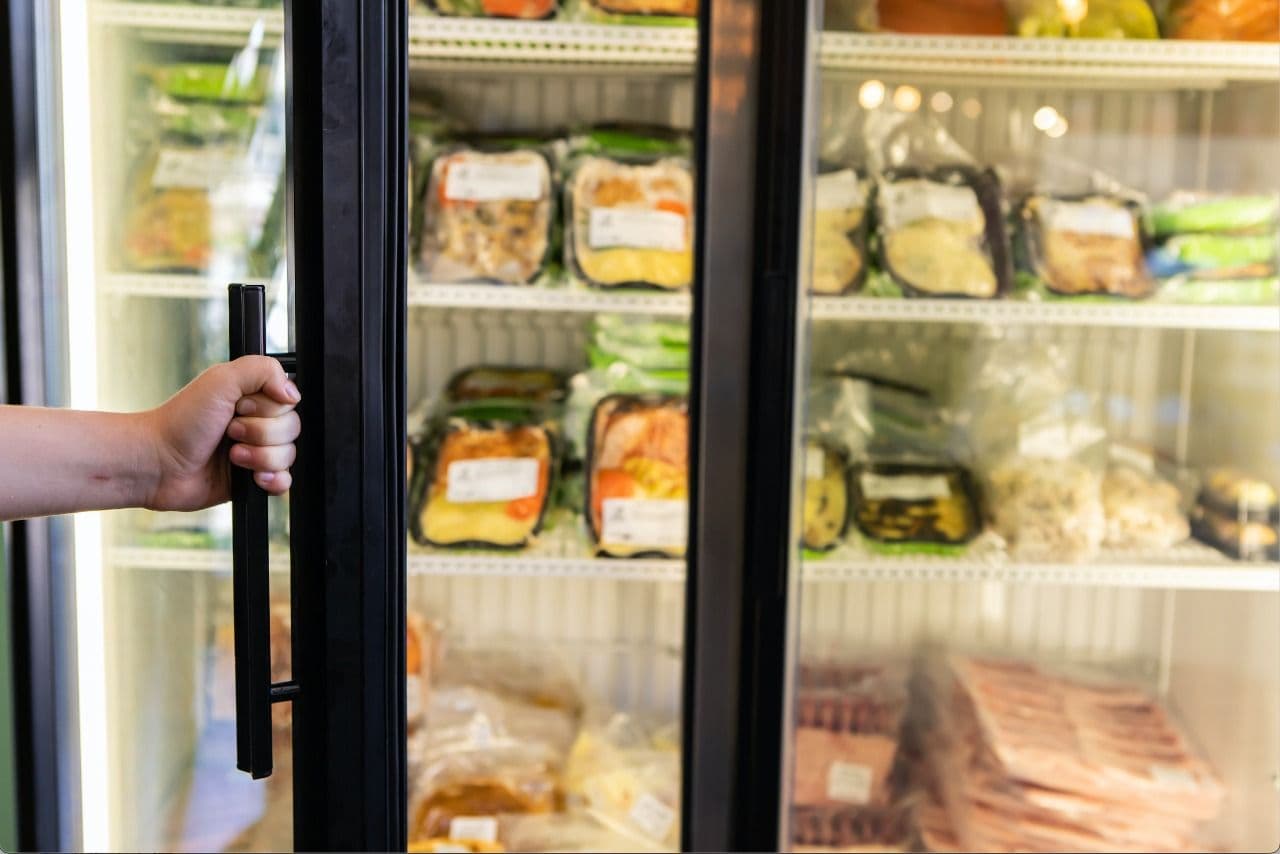
If you run a restaurant, food safety has to stay your top priority. Safe handling and proper storage keep your guests from falling sick. According to the World Health Organization, foodborne illnesses such as food poisoning can cause long-lasting disability and, in serious cases, death.
That is why training your staff on food handling and storage protocols matters so much. To help you and your team learn the best practices, we have compiled a list of guidelines and tips. Read on to learn what they are.
Basics of food handling and storage in a restaurant
Whether you are new to the hospitality industry or a veteran, it is your responsibility to make sure every staff member is fully trained across all food handling and storage areas. A clear understanding of the following basics is non-negotiable.
- Personal hygiene: Restaurant workers should wash their hands often with soap and water for at least 30 seconds.
- Clean surfaces: Keep the storage area and other surfaces clean to prevent food contamination.
- Proper segregation and storage: Store different types of food, including meat, dairy, fish, and vegetables, separately in different containers to prevent cross-contamination.
- Food prep: Use separate cutting boards for raw meats, vegetables, fruits, ready-to-eat foods, and salad leaves.
- Cook at the recommended temperature: Every food needs to be cooked at a specific temperature. For example, poultry such as chicken and turkey should reach a safe internal temperature of 165 ºF, so kitchen staff should keep a cooking thermometer handy.
- Refrigerate to keep food from spoiling: Refrigeration slows the activity of natural enzymes and the growth of microorganisms. Bacteria grow most readily between 40 and 140 ºF, so for fresh fruits, vegetables, and leftovers, keep the internal temperature between 34 and 40 ºF.
A staff trained and well-versed in these basics can help you curb food wastage and keep food properly preserved.
5 useful tips to handle and store food in restaurants
1. Keep a check on inventory and food labeling
Every food item you buy for your restaurant should be labeled with a use-by date and stored at the right temperature in the right place. Do not buy or stock raw material without a use-by date label. This practice reduces food contamination and avoids wastage. The use-by date tells you and your staff to consume the item before that date, and it helps the team decide which item to use first.
2. Understand dates on packaged foods
One of the clearest ways to protect a restaurant against spoiled food is stock rotation, based on the expiration, use-by, or best-before date on the packaging. The expiration date is the recommended shelf life for the best quality. The use-by date tells you whether the food is still safe to eat. If you hold the same product with different best-before dates, always follow the FIFO rule: first in, first out.
3. Refrigerate at appropriate storage temperatures
Storing food at the right temperature is critical for preventing bacterial growth. Food poisoning bacteria are more likely to develop above 8 ºC, so many regions require restaurants to keep refrigeration units below 5 ºC. We recommend maintaining a range of 1 to 4 ºC. Frozen foods should be stored at -18 ºC or lower.
4. Do not overstock the inventory
A clean storage space sets your restaurant up for success. The amount of stock is linked directly to temperature changes, so avoid over-packing the fridge. Keep enough open space in the refrigerators for cold air to circulate and chill food properly. Overstocking can create hot spots where bacteria develop and thrive, so have your team check stock regularly. If your storage is full of items you are not using, discard, distribute, or donate them. Ask your team to keep an eye on the temperature of freezers, refrigerators, and cold rooms. A wall-mounted thermometer in each storage room makes this easy.
5. Use the right storage containers
To store food while keeping it fresh, use airtight containers. Food starts to spoil the moment it comes in contact with air. Cut apples, for example, begin oxidizing right away. Airtight containers extend shelf life and keep hygiene and safety from being compromised, because the food is not exposed to air. Always label the containers correctly to prevent mixing ingredients and foods.
Wrapping it up
Food waste is a real cost for the restaurant industry, and a large share of the food produced in the United States goes uneaten every year. With the right steps taken at the right time, that waste becomes much easier to tackle. If you run a restaurant and have extra food or leftovers, follow the tips above to reduce waste and keep food safe to eat for as long as possible.
See how Delightree works for your network
Walk through the platform with the team. No slides, just a real look at how it fits the way you operate.