Soft Skills: An Inherent part of Restaurant Staff Training
Why soft skills belong in every restaurant staff training program, the traits to hire for, and how to coach front-of-house teams on guest interaction.
Imagine walking into a restaurant and not being greeted politely or welcomed by the staff. Such behavior may make you feel that customer service is not a priority, and you may never return no matter how delicious the food is. That is why soft skills are an indispensable part of any restaurant staff training program.
A restaurant business involves two aspects: product and service. Making a good first impression is important in any service-based industry, and a restaurant is no different. Quality human interaction matters to the success of a restaurant. The importance of understanding guest personalities and their preferences cannot be undermined.
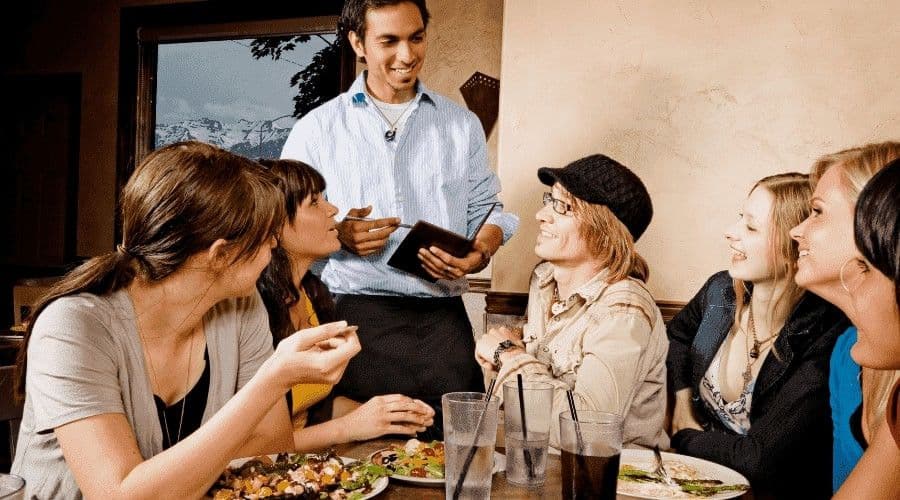
Soft skills and the emotional intelligence to apply them are highly relevant for success in the restaurant business. From a staff perspective, acquiring and honing communication and soft skills is a necessity, not a choice, in the hospitality business. Soft skills make an employee stand out among many good employees.
Effective Communication Skill in Restaurants
Soft skills are the ability to motivate a team, network, manage client relationships, and work and interact with others. A labor-intensive industry such as hospitality involves significant customer contact. An individual acquires soft skills through life experiences and not necessarily on the job. Still, soft skills play an instrumental role in making a person better at work and moving smoothly into various roles and responsibilities. Server training on communication skills is very beneficial. It helps create positive first impressions that can earn you customers for a lifetime.
Any customer walking into a restaurant will judge the place based on its appearance and vibe. They will also judge the staff based on their appearance, posture, courtesy, and grooming. These elements together create an image of the business and its attitude toward its guests. First impressions form a perception in the guests' minds and determine the mood of the entire dining experience that follows. A negative perception formed at this stage is hard to change.
Employ the following tricks of the trade and make a lasting first impression:
- Maintain a tidy, sanitized, and well-decorated space.
- Make sure the staff who first see the guests greet them as soon as they come, even if seating those guests is not their responsibility.
- Staff should maintain eye contact when interacting with guests.
- All staff must smile and be cheerful during their interactions with guests.
- Uniforms must be spotless, hair put together, and overall appearance pleasing when working in public areas.
- Maintain an erect posture, with no slouching or casual body language.
Capabilities that qualify as soft skills cannot be taught in a formal academic setting. Most people do not even highlight these as a quality or skill on their CVs. Given current customer expectations, they should be highlighted as one of the skills when putting together your professional experience.
Today some experts and trainers deliver classes on soft skills. If your restaurant server training program does not already have a module on soft skills training, it is time you consider making it part of your training program.
What soft skills should restaurant employees possess?
Individuals can be trained on aspects like greeting guests, dressing well, and maintaining good body posture. But certain traits or soft skills come naturally to a person. When recruiting staff for your restaurant, look for staff with the following characteristics. You can, of course, fine-tune them by giving appropriate training.
Positive attitude
A positive attitude is a natural trait and good to have, especially for staff working in customer-facing roles at a restaurant. Customer service is an inseparable component of the restaurant business, and a positive attitude helps the team sail through the day.
Use case: There are many fun aspects, like making recommendations on food combinations, wines, and cocktails, knowing guests better, and organizing events. There is a less glamorous side too, like arranging supplies for an event and being unable to have every menu item available on a given day, which may result in an unhappy customer. Dealing with an unhappy and irritated customer requires patience and a positive attitude.
Empathy and approachable personality
Personality comes to a person naturally over the years based on their surroundings and life experiences. As stated earlier, service in restaurants is all about human interaction. People who are empathetic and approachable can go a long way toward ensuring guests feel welcomed and comfortable in your restaurant.
Use case: Staff who make guests feel at ease, listen with patience, empathize, and stay friendly and approachable help avoid many awkward situations that may arise otherwise. Approachable staff help guests feel secure and taken care of. Guests feel comfortable letting your staff know what they need, whether they drop a napkin or a piece of cutlery, need some hot sauce, or have a special customization request. Interacting with staff who empathize and stay approachable does not make guests feel embarrassed about placing such requests.
Ability to perform in a high-pressure environment
There is never a dull moment in the restaurant business. No two shifts are the same. The kitchen and the service space are always buzzing with activity. That sounds exciting and fun, but there is a flip side. When we say not all days are the same, it means there can be a lot of pressure on certain days. Having someone who can remain calm and composed and still interact easily with customers on such days helps.
Attention to detail
When the tiniest details are taken care of, it shows in the reviews and ratings, even if it does not get immediate appreciation. If missed, the smallest details can blow up into a big problem and bad ratings. Attentive employees who take care of the smallest details, like napkins folded properly, silverware placed correctly, glasses refilled when half-empty, fresh flowers placed on tables, and candles lit, can make or break the guest dining experience. The good news is that these things can be taught as part of the staff training program, though attention to detail is usually an in-built personality trait.
Effective communication
This is one of the most important traits to have and deserves a separate detailed article. Good communication, meaning effective talking and listening, is a must-have trait to work in the hospitality sector.
Your staff play an instrumental role in setting up a comfortable and welcoming environment in a restaurant. Many of the soft skills discussed here can be part of your staff training program, and cherry-picking people with traits like a positive attitude, empathy, and the ability to perform under pressure can help.
See how Delightree works for your network
Walk through the platform with the team. No slides, just a real look at how it fits the way you operate.