Server Guidelines and Responsibilities: The Secret to Positive Image Building
A guide to front-of-house server guidelines and responsibilities, from pre-service prep and menu knowledge to closing the table and resetting for the next guest.
Good food, a warm ambiance, and an iconic location can still fall flat without a strong service team. Turning a good dining experience into a memorable one comes down to your front-of-house staff. So who are these people, and how do you make sure they deliver what guests expect? Read on to find out.
Who works the front of the house
- Host: The host is the first person a guest interacts with on arrival. Hosts welcome and greet guests and escort them to a table or to the waiting area when the restaurant is at full capacity. They take details for guests in line, coordinate to get a table arranged, handle phone calls, and field customer inquiries at the front desk. They pitch in on busy days when the restaurant is short on servers. As they gain experience, hosts are gradually moved into server roles.
- Servers: A server can make or break the dining experience. They interact with guests more than anyone else on the team. Their work covers taking food and beverage orders, relaying those orders to the kitchen or bar, checking on guests throughout the meal, and resolving any issues that come up. In short, they wear many hats and carry much of the responsibility for a delightful meal.
- Bartenders: Bartenders keep the night going and the drinks flowing, both alcoholic and non-alcoholic. Where a restaurant has a bar station with seating, they often act as servers too and take food orders for guests snacking alongside their drinks.
Once you know your front-of-house team and the role each one plays, setting guidelines and defining responsibilities gets much easier. The most complex role is the server's. Here is why.
A server's scope of work extends well beyond serving. They do a lot before guests arrive and after they leave to keep things running smoothly at both the front and back of the house. Most of these tasks carry over from one restaurant to the next, but it is good practice to define them and keep refining them over time. So what are these responsibilities? Let's break them down.
Before guests arrive
- Report on time: Punctuality matters for every member of your restaurant staff, but it is especially important for servers, who have a lot to do before guests start rolling in.
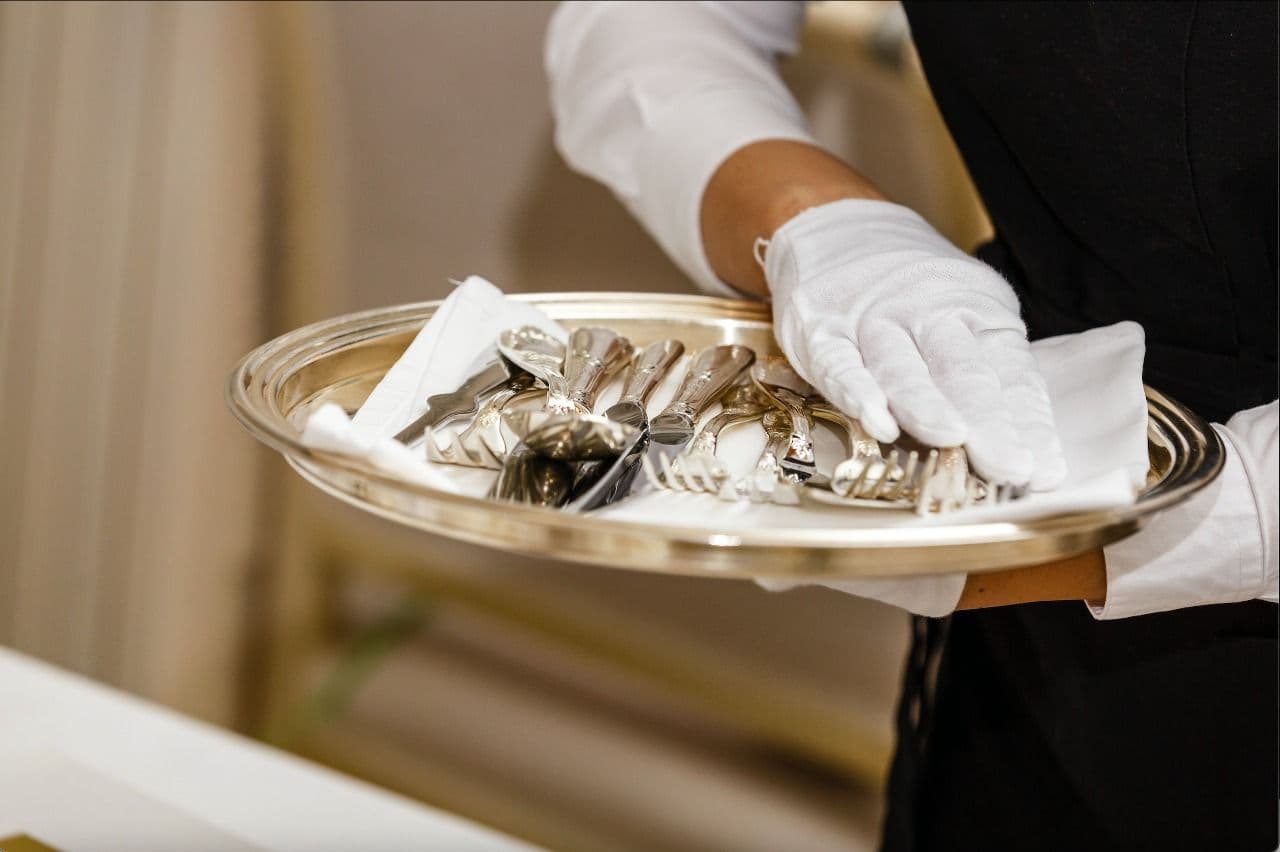
- Mind the details: Smaller touches like a perfectly rolled napkin, polished silverware, pristine linen, and sparkling drinkware and dinnerware are all the server's responsibility.
- Set a table that draws the eye: Lay out the table with crisp linen, shining silverware, sparkling dinnerware, and fresh flowers or a candle.
- Prep garnishes: Lemons are always needed beside food, as a topping for drinks, and in infused water. Have your server cut lemons and other garnishes such as jalapenos, and de-seed cherries. There is no such thing as too many garnishes.
While guests are seated
- Greet guests: Welcoming and seating guests is the host's job, but servers should still greet guests, smile, and make them feel comfortable once they are seated.
- Know the menu: One of a server's prime responsibilities is to know the menu inside and out so they can explain dishes and make suggestions to guests.
- Take orders and stay alcohol-aware: Servers take food and drink orders and pass them to the bar and kitchen. With alcohol, they should know whom to serve and whom not to, and they should be well-informed about local liquor laws.
- Upsell thoughtfully: Train servers to suggest items on the menu. Done well, it improves the guest experience and increases restaurant revenue.
- Keep diners informed: If an item will take a while, tell guests when they order. Keep checking on them as they wait, and offering a free drink during the wait never hurts.
- Never let a glass run empty: Refill water without being asked. When a beer glass is half-empty, ask if the guest wants a top-up.
- Serve food at the right temperature: The onion soup should be piping hot and the gazpacho should be as chilled as it can get.
- Get comfortable with the tech: Knowing your restaurant's systems, such as the POS, makes a server's job easier and saves time.
- Wrap the meal on a sweet note: Suggest your best-selling dessert or a digestif to close out the meal.
- Make celebrations memorable: Offer a complimentary cake, flowers, or a glass of wine to make anniversaries and birthdays feel special.
Presentation and after the meal
- Put your best foot forward: Make an impression by being well-dressed and well-groomed. You are representing your workplace.
- Clear dishes promptly: Pick up empty bowls, plates, and silverware as soon as guests have finished eating.
- Close the table smoothly: A clean billing and payment process matters. Getting the correct bill and processing payment quickly improves the guest experience.
Resetting and closing
- Refill supplies: Once the guest leaves, replace the linen, napkins, and silverware, refill the condiment jar, and light a fresh candle so the table is ready for the next guest.
- Be accommodating: On a busy day, you may have to stay past your shift. Stay flexible about it.
- Be patient and active: Servers are at the center of the action, running around and multi-tasking, so they need to be both patient and energetic.
- Close the restaurant: Tidy the space, clean the coffee machines, polish the cutlery, put chairs and stools away, mop the floors, switch off the lights, and check that no electronics are left plugged in.
A restaurant is always buzzing with activity, and a server plays a far bigger role in keeping it running than meets the eye. As an employer, communicating your expectations clearly and appreciating your team from time to time goes a long way.
See how Delightree works for your network
Walk through the platform with the team. No slides, just a real look at how it fits the way you operate.