Self-ordering Kiosks : A Boon for Restaurants
How self-ordering kiosks help restaurants cut wait times, redeploy staff to the kitchen, place accurate orders, and lift average ticket size.
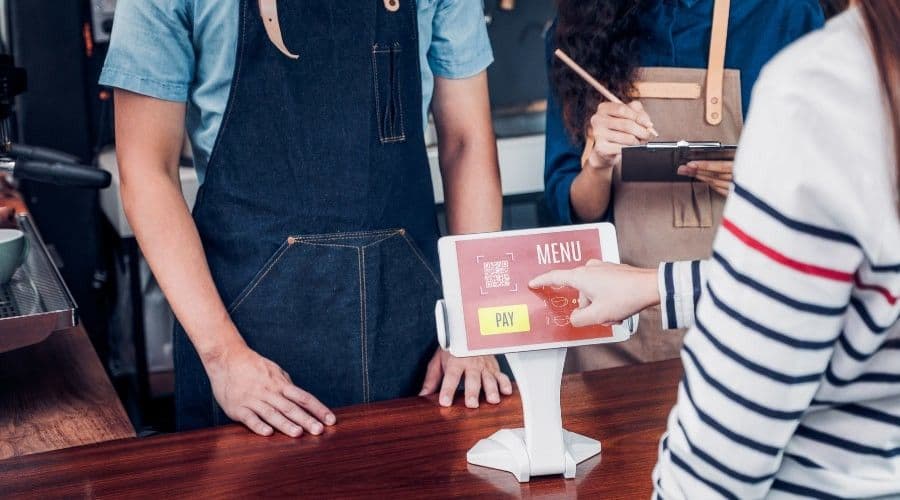
Technology has had a significant impact on every sphere of our lives, more so in the last two years. The pandemic changed the way people think, consume technology, and function on a personal and professional level. Customers have always had high expectations when visiting a restaurant. But with online ordering, self-ordering kiosks, contactless payments, and digital menus, their expectations when they walk in have been completely altered.
Industries across the board are shifting to a tech-enabled work environment, and the restaurant industry is no different. Restaurants and the food industry have gained real benefits by shifting to a digital working model. Restaurants faced unprecedented attrition over the last two years, and owners struggled with an acute manpower shortage. Technology helps restaurants reduce costs, lower the number of employees required to serve guests, and increase performance, revenue, and profits.
One technology in particular proved helpful for fast-food chains: self-ordering kiosks. Large quick-service chains installed self-ordering kiosks long before the pandemic struck. Small businesses have since realized the many benefits of adopting the technology and are now embracing it. Before we get into the benefits of using a self-ordering kiosk, let's first understand the term.
What is a self-ordering kiosk?
Self-ordering kiosks are self-service machines that let customers place their food orders directly at a touchscreen without interacting with restaurant staff. They also let customers customize orders, make payments, and even print a receipt. They have gained popularity among fast-food chains because operators can deploy them in several locations and in different forms. The classic self-ordering kiosk is a free-standing physical structure. It displays the entire menu and lets customers place an order directly at the POS without a cashier or server. Some kiosks also display prompts with promotions or menu modifiers that lift order values. Though these machines are most popular in quick-service restaurants, fast-food places, and casual dining, other restaurants are catching up to the trend.
Benefits of self-ordering kiosks
Less waiting time and human interaction
Social distancing and limited human contact became a top priority for people over the last two years. Even before that, long lines at restaurants and food courts led to irate customers, more so during peak business hours. A self-ordering kiosk cuts down the ordering time, is easy to navigate, and lets customers personalize their orders. It saves time and makes customers feel safer because there is no human interaction involved.
Optimum utilization of staff
Self-ordering kiosks automate the order-placing process and free up staff from a repetitive task. At a time when the restaurant industry is going through an acute manpower crisis, installing a kiosk lets restaurants move more people into the kitchen, service, and packaging teams so they can push out more orders. These kiosks help restaurants increase sales and profit while keeping manpower costs under control.
Accurate orders and deliveries
It is only human to miss a special request or take down the wrong order during a rush in the old-school way. With self-ordering kiosks, customers place the order themselves and at their own pace. Kiosks also give customers an option to customize their orders when a restaurant offers custom menus. Self-order kiosks facilitate accurate orders every time, which translates to accurate deliveries and happy customers.
Drives targeted upselling
All restaurants have menu items that yield more profit. French fries in fast-food chains is one such example. You want it to sell with most of your orders. Install a self-ordering kiosk and do targeted upselling without being pushy. With a self-service ordering system, you can display messages based on a customer's purchase behavior, and appealing pictures paired with a tempting description nudge the customer to order more profitable items.
Improves customer satisfaction
Fast-food chains and QSRs are the go-to for office goers, college students, and almost everyone grabbing a morning coffee and a quick bite during the rush hour. Every minute counts. Imagine the frustration of waiting a long time just to place an order. That frustration translates to dissatisfied customers, a bad reputation, and eventually less footfall and less business. A self-ordering kiosk lets people place orders swiftly during busy hours, reduces wait time, presents a full menu, gives customers adequate information about the food, and offers cash or secure card-based payment. All of this leads to a happy, satisfied customer.
Rising popularity of self-ordering kiosks
Many large quick-service restaurants added self-ordering kiosks at various locations long before Covid-19 and saw real benefits. Kiosks are designed to deliver a fast, personalized ordering experience, which is what customers now expect. The pandemic further familiarized customers with the ease and speed of online ordering. As a result, customers now want more control and similar personalization when they visit a restaurant in person.
Covid-19 fueled the popularity of self-ordering kiosks among customers and restaurant owners alike. Kiosks let customers build their meals, place their orders, and pay for their food without interacting with restaurant staff. Many restaurants used a combination of kiosks and QR codes to minimize face-to-face contact at the height of the pandemic, and some set up tablet-based kiosks outdoors or on restaurant windows to avoid unnecessary contact.
Planning to invest in a self-service kiosk for your restaurant? Look for the following features:
- An option to build a visually appealing menu, with pictures, detailed descriptions, and easy-to-navigate menu options.
- Software that lets you add upsell prompts and menu modifiers.
- Integrated customer loyalty solutions, so customer data is saved on the first order for future orders and promotional offers.
- An option to send customers order-status notifications via WhatsApp or SMS.
- A payment gateway that accepts different payment methods.
The future
There is no denying that self-ordering kiosks require a substantial one-time investment. The benefits and long-term cost effectiveness far outweigh that upfront cost. The rising popularity of these kiosks is testimony to the fact that the investment is worth it.
See how Delightree works for your network
Walk through the platform with the team. No slides, just a real look at how it fits the way you operate.