OSHA Guidelines for Restaurants
A practical guide to OSHA rules for restaurants: required postings, recordkeeping, employee rights, post-Covid standards, and how to stay compliant.
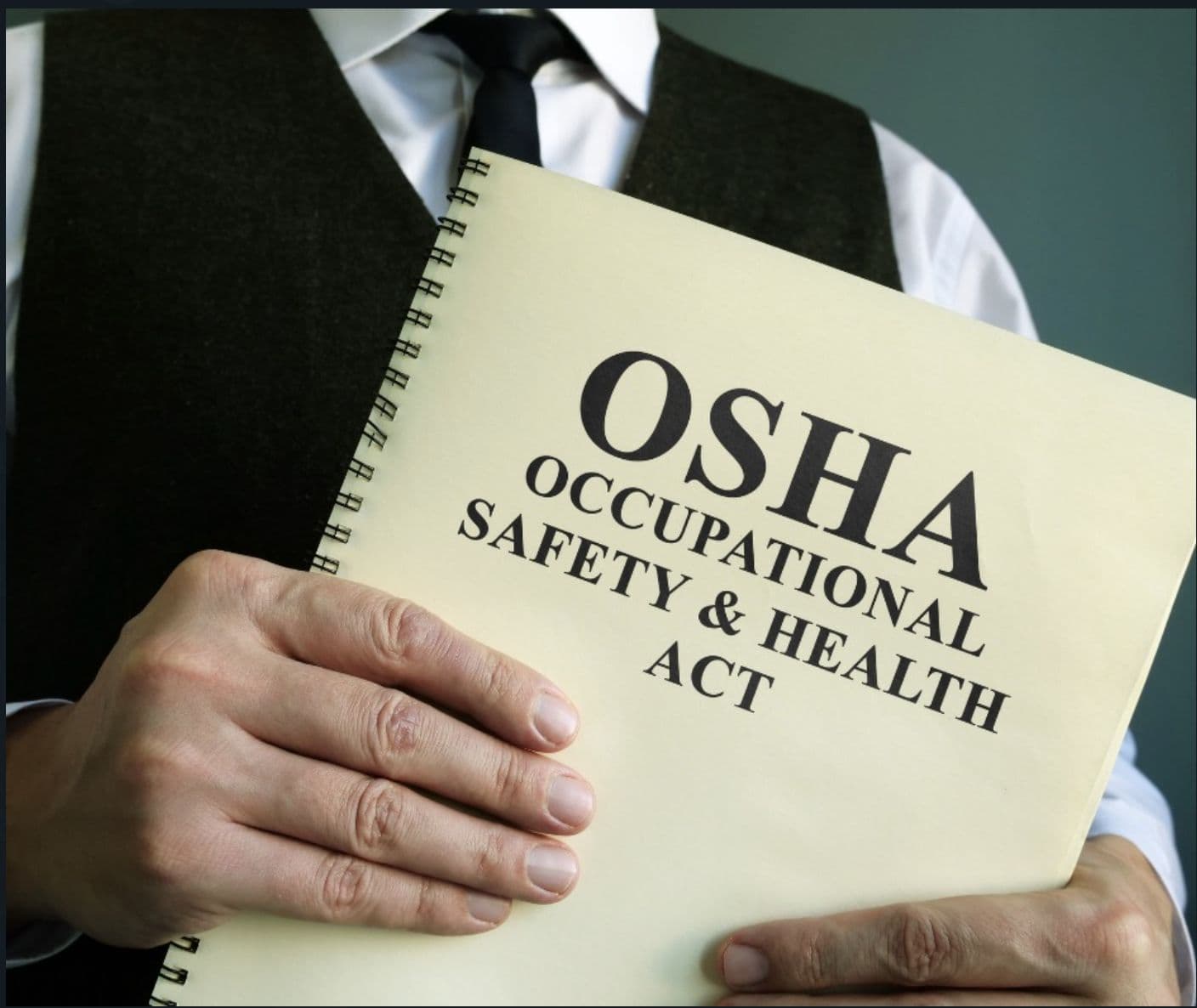
Restaurant employees are exposed to many of the same risks and health hazards as workers in construction, manufacturing, and healthcare. According to a 2019 report from the U.S. Bureau of Labor Statistics, full-service restaurants alone recorded 93,800 cases of non-fatal injuries.
OSHA (the Occupational Safety and Health Administration) defines a set of rules and regulations to protect both employees and customers across industries. This guide covers:
- OSHA rules and regulations that apply to restaurant business owners
- OSHA training for restaurants
About OSHA
The 1960s brought fast economic expansion in the US, which led to a high rate of injuries and deaths in the workplace. Political pressure on Congress over employee safety led to the creation of OSHA in 1970. Its primary task was to establish and enforce a set of standards to keep working men and women safe and healthy at their place of employment. OSHA reinforces these standards through outreach, training, education, and assistance for employers and their employees.
OSHA for Restaurants
OSHA rules and regulations are similar across establishments such as factories, manufacturing units, and food businesses, but the way those rules are implemented varies from one industry to another. In addition to the general standards, OSHA provides specific rules that apply to restaurant owners to protect employees from serious recognized hazards. These include:
- Displaying an official OSHA poster in a high-traffic, prominent, and easily visible location on the premises. The poster should clearly notify employees of their rights under the OSH Act and list the owner's obligations.
- Keeping up-to-date records of accidents and injuries that occur in the workplace.
- Reporting to the local OSHA authority any accident, fatality, hospitalization, injury, vision impairment, or physical disability of an employee at the workplace within eight hours of the event.
- Giving employees and their representatives access to medical records.
- Allowing employees the freedom to connect with the local OSHA authorities.
Reformed OSHA guidelines for restaurants after Covid-19
Covid-19 made social distancing, masks, and Covid-appropriate behavior the new norm. In line with these changes, OSHA enforced a new set of safety standards for restaurants. The most important regulation requires owners to report a Covid-positive case to the local OSHA authority. Others include:
- Minimize or limit direct contact with drive-thru and takeaway customers.
- Keep employees who are sick or showing symptoms away from the workplace to control the spread of the virus.
- Provide mandatory training on Covid-appropriate hygiene practices.
- Regularly clean and disinfect surfaces using recommended cleaning agents.
- Provide all employees with masks and PPE kits to wear at the workplace.
- Keep employees informed about colleagues infected by the virus.
Restaurant employee rights as defined by OSHA
- A safe and secure workplace
- The right to file a worker's compensation claim in case of an injury on the job
- Payment of minimum wage through hourly pay, tips, or both
- Overtime pay beyond 40 work hours in a week
- A 30-minute break in a six-hour shift
- Protection laws for minor workers (under 18)
OSHA compliance in restaurants
Now that you know the basic OSHA rules and regulations for restaurants, you may be wondering how and where to implement them. Focus on reinforcing safety and health standards in the following ways and areas to stay OSHA compliant:
- Clear and open communication: Create a friendly culture and encourage open communication from the top down and the bottom up. Communicate health and safety regulations in both verbal and written form, and encourage employees to do the same. Assure them that they can report any incident or practice they see as a potential safety hazard without fear of being judged.
- Training: OSHA makes employee health and safety training mandatory for all employees. The training should help employees use the tools and machines their jobs require while taking all safety precautions. Employees should also learn how to work safely around heat in commercial kitchens to avoid burns, hot oil splashes, and hot plates, and they should receive basic first-aid training for burns, cuts, injuries, and other emergencies.
- PPE kits and tools: Injuries such as sprains, muscle pulls, strains, burns, cuts, lacerations, puncture wounds, and eye injuries are common in restaurants. Providing safety equipment like aprons, head covers, gloves, anti-skid shoes, trolleys for moving heavy equipment, and tools to handle large and hot utensils is mandatory for employee safety. As an employer, make sure to provide safety equipment to all employees to comply with OSHA regulations.
- Proactive preventive measures: To prevent accidents from a slip or a fall, make sure any spills are cleaned right away, walkways are free of obstructions, and there are enough functional trolleys to move things around.
- Safe food handling: A restaurant business is all about good, safe, and hygienic food. OSHA has clear guidelines on safe food handling that a restaurant owner must implement. Washing hands with soap and warm water before and after handling food, washing utensils in warm water and soap, wiping food preparation surfaces with recommended cleaners and sanitizing them to kill bacteria and viruses, and boiling any sponges in use to avoid contamination are a few of the key OSHA food safety guidelines. Make sure your employees follow these to stay OSHA compliant.
- Optimal working conditions: Restaurant kitchens are always busy and often generate significant heat from the appliances in use. Exposure to such temperatures can make employees uncomfortable and ill. As per OSHA guidelines, provide an air-conditioned, well-ventilated area next to the kitchen where employees can take a break. Make sure the kitchen area is well ventilated and that all exhausts, chimneys, and windows are functional. Educate employees on the signs of dehydration and heat exhaustion, and teach them basic first-aid techniques to handle kitchen injuries.
- Employ with age in mind: Working as a server or helper is a popular part-time job for high school students. When onboarding high-schoolers, comply with OSHA's age restrictions, the permissible working hours for that age group, and the nature of the work they are allowed to do. An employee below 16 cannot handle the bar, bake, cook, or use any appliance that can cause an injury.
Things you can do as a restaurant owner to stay OSHA compliant
- Recruit a dedicated safety officer whose main focus is making sure administrative systems, hazard communication, and workplace training requirements are OSHA compliant.
- Hire a qualified, professional safety consultant to guide and assist you and the safety officer with compliance requirements such as chemical hazards or noise exposure. A professional brings the expertise to identify the steps you must take to be OSHA compliant.
- Bring on an industrial hygienist to recognize, evaluate, anticipate, and control workplace conditions that may lead to employee injury or illness.
- Conduct periodic assessments. Things to assess include the premises, furniture, electronics, kitchen equipment, firefighting equipment, and plumbing lines.
- If you plan to introduce a new menu or expand your restaurant's real estate, make sure OSHA compliance requirements are met.
Make your restaurant a safe and happy place to work by implementing these OSHA guidelines.
See how Delightree works for your network
Walk through the platform with the team. No slides, just a real look at how it fits the way you operate.