4 Honest Truths About "The New Normal"
Foot traffic changed for good after the pandemic. Four shifts small business owners need to plan for, from indoor dining to speed, innovation, and readiness.

I used to work in the middle of the busiest sector of Manhattan, 100 Gold Street, while living in the suburbs of New Jersey. Roselle. Getting to work was chaotic: a 6am wake-up, a 7:15am bus, and a barely-caught 8:30am train. The only thing that saved my morning from being the worst thing out of hell was a muffin or a beef patty at my favorite bodega across the street. I was a proud member of what my wide-awake, snarky cashier would call "the morning crowd."
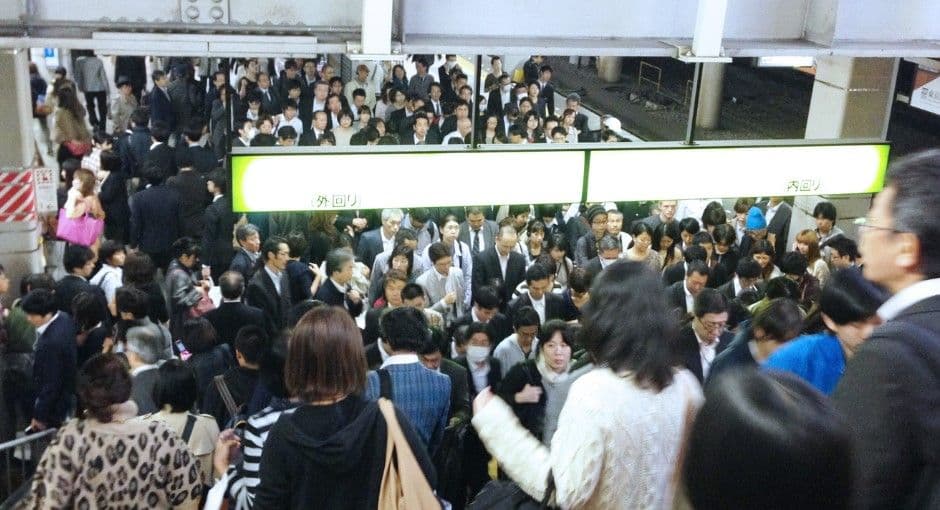
What is the new normal?
- Consumers aren't packing the trains anymore.
- "The morning crowd" is now in their kitchen, fixing their own cup of coffee or ordering it in.
- Most office work is now remote and will stay that way for a long time.
- And people wear masks now, everywhere.
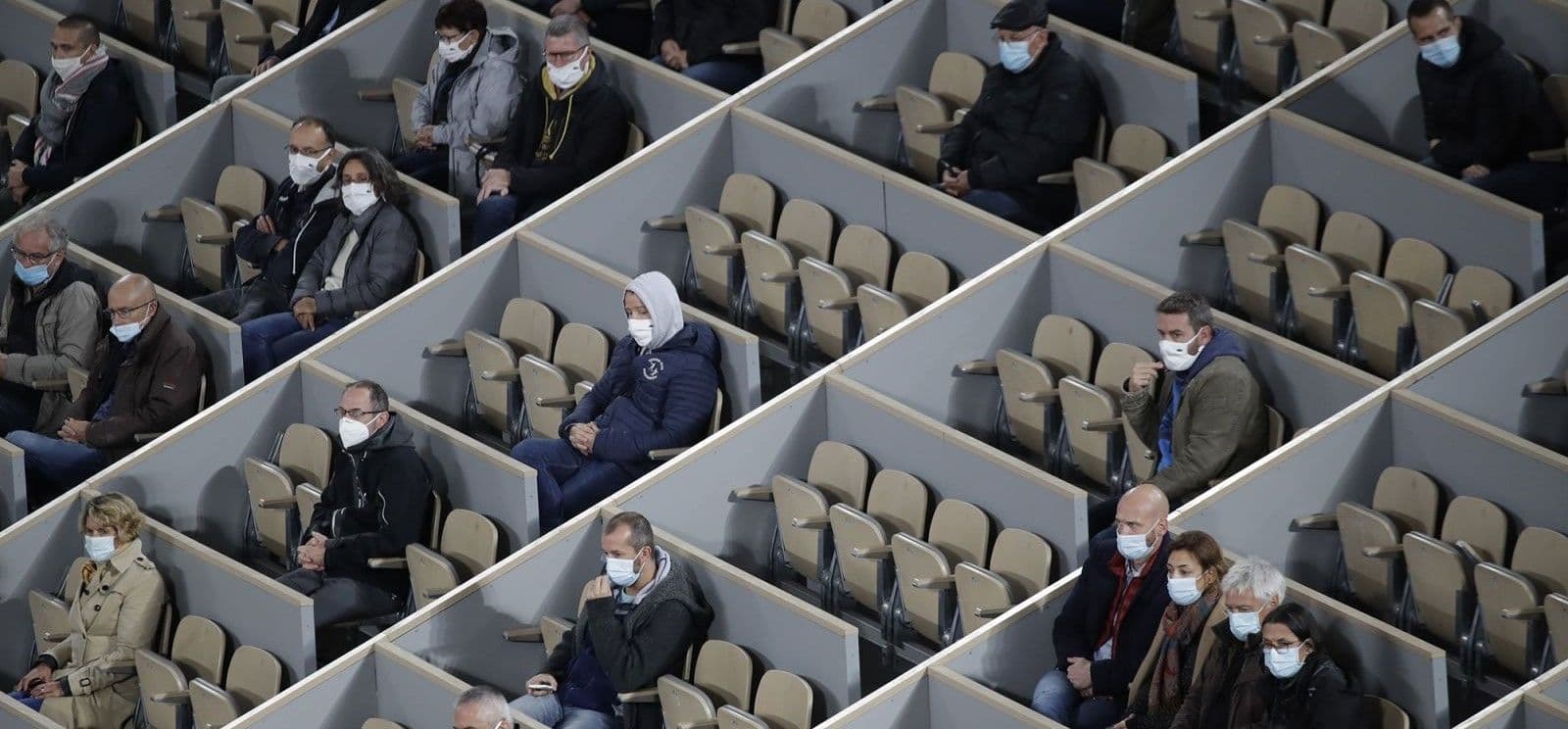
So every time you see a new article detailing the effects of this "new normal," understand that they are really asking one question:
How do you attract consumers who no longer have to leave the house to visit your business? Now that staying home and keeping your distance is normal, what does that mean for businesses that depend on foot traffic? Dining restaurants, bodegas, spas, and the like.
Here are four honest truths small business owners need to know about "the new normal."
Indoor dining and shopping still matter
Going out to dinner for your anniversary will never go out of style. Small business owners shouldn't lose hope as delivery services grow in the new normal. Instead, they should ask, "How am I planning to bring customers in?" Consider this:
Dinner is the new breakfast crowd. Happy hour specials after 5pm are perfect for housebound consumers looking for a reason to get out after work. Create initiatives that bring people into your spot after a long day of remote work. Build specials that entice them to sit down, especially now that some restaurants are reopening indoor dining. Make indoor dining and in-store shopping fun again. Consumers working a 9-to-5 at home might not know it yet, but they want a reason to leave the house. Give them one.
Speed is important
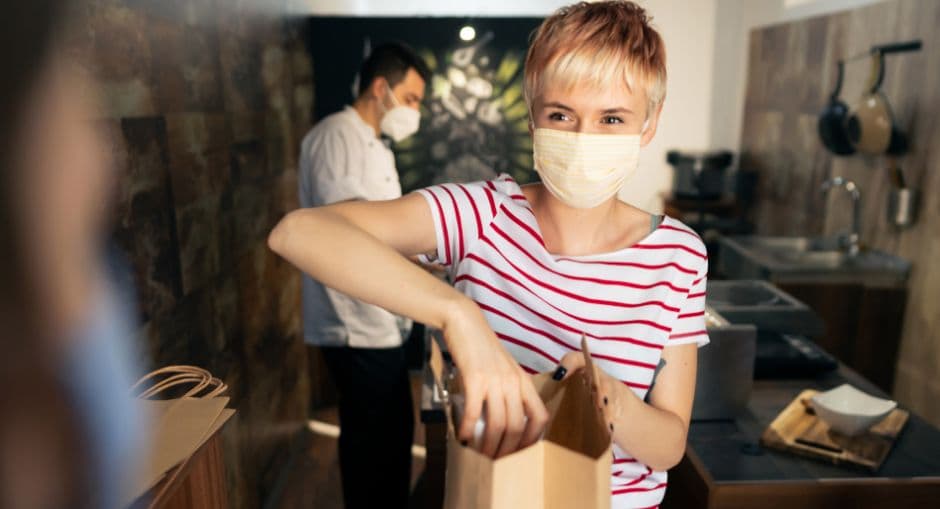
Imagine getting your groceries delivered in two hours with the click of a button, then going to pick up dinner and waiting in line for 30 minutes to place your order. Instead of a hassle-free meal, your customer wishes they had ordered delivery instead. If your business depends on in-store shoppers, know this: speed is the new normal.
Operations need to run at an optimum level to keep consumers coming back. On top of that, many in-store operations are still working under reduced capacity limits.
With limited capacity, brick-and-mortar businesses need to operate faster to keep revenue steady with fewer guests allowed in-store. That means rapid turnaround.
Apps like Delightree that streamline operational tasks by making them easy to assign and complete can help.
Innovation matters even more
The world is now more aware of how powerful technology is in managing national emergencies, and consumers expect things fast, in seconds. Creativity and innovation are how brick-and-mortar businesses survive. What is the new normal? Advanced adaptation. Adapt or die.
Technology is moving rapidly in every direction. The new normal is about anticipating the inevitable and listening to science. The pandemic accelerated digital transformation. Use technology to automate operations, save time, cut costs, and reinvent yourself as a company that keeps up with the times.
Your business will suffer if you don't find a way to innovate and stay relevant over the next couple of years.
Be prepared
Being prepared in 2021 now goes beyond inventory.
There was a time when all a business owner had to do to shield against lost revenue was keep the refrigerator stocked and buy insurance. That time is gone. In the new normal, emergency contingency plans are what stand between your business going under and your business standing strong the next time there's a world emergency. Part of being prepared means having the foresight to anticipate when the next disaster might strike and what it might look like.
That means paying attention to the future, politics, climate, and technology. Be over-prepared. Now that my inventory is fully stocked and I have an emergency plan, where is technology heading? How is my industry adapting? What is happening in the world? It is no longer enough to be a businessperson adept at business. The new normal calls for business people who are also well-versed in our world's economics and politics. In that sense, be over-prepared. Keep a heightened sense of awareness.
To conclude:
The new entrepreneur mindset ranges from knowing who is opening each store to understanding the effect of pollution on the ozone layer, so your business can be ready for the next disaster.
It also means not assuming the same kind of patronage that earned you income before will return once COVID lifts. Remote work is here to stay. The new normal might mean you never see another crowd like the one that used to rush your bodega at 8:10am for a coffee before the train. That doesn't mean you should give up on foot traffic. It means it's time to reinvent yourself and get more creative about how you earn it.
It means putting your operations to the test to make sure they run at an optimum level.
It means it's time to innovate. And the new normal means it's time to prepare.
See how Delightree works for your network
Walk through the platform with the team. No slides, just a real look at how it fits the way you operate.