Alcohol Awareness Training Program: Why is it important
What an alcohol awareness training program covers, why it matters for restaurants that serve alcohol, who needs it, and how to run it across your staff.
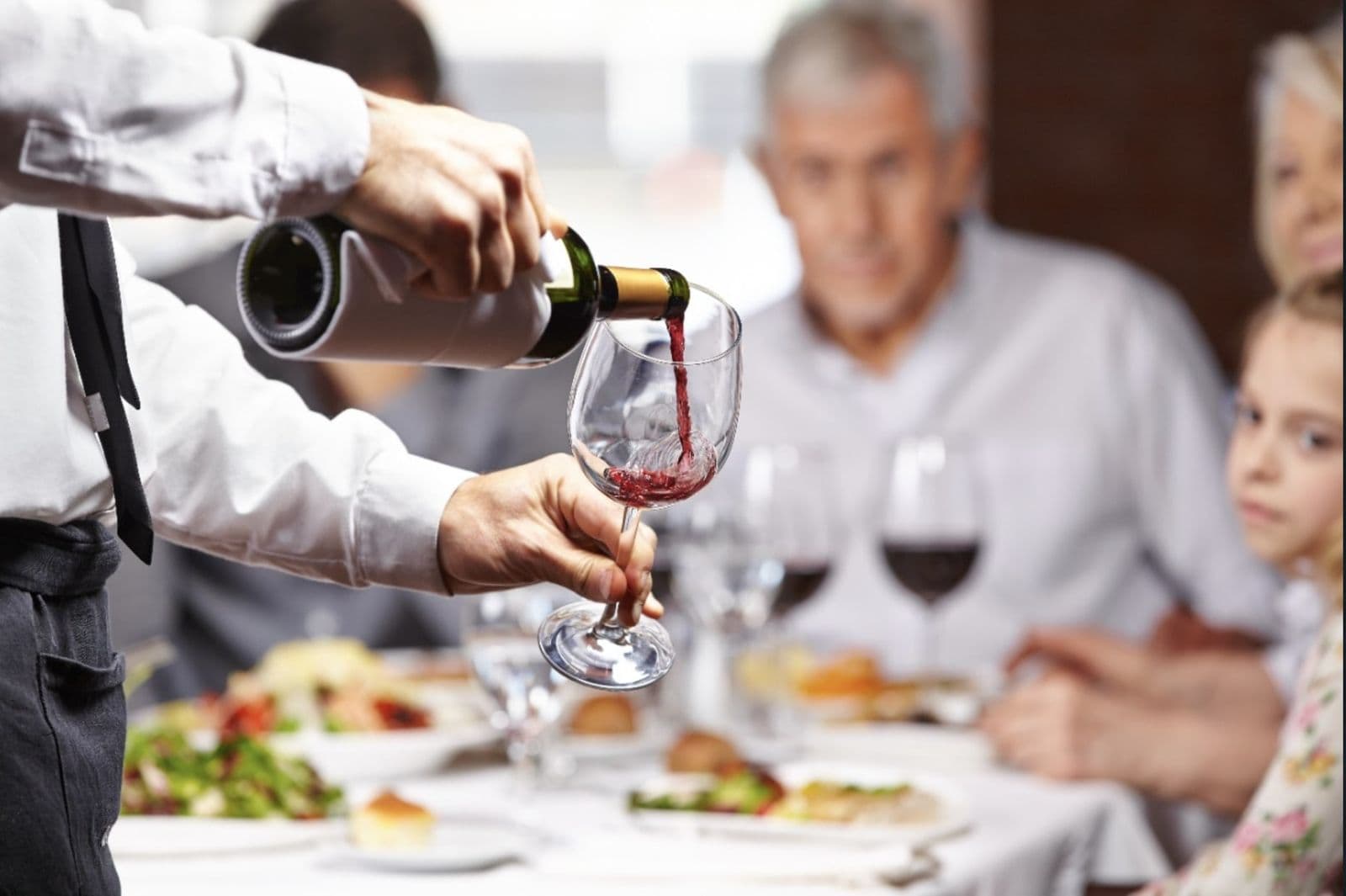
Serving alcohol brings a lot of responsibility. Whether you operate a sports bar, a pub, a fine-dining place, or a casual dining restaurant, when you serve alcohol you must keep a safe and enjoyable environment for your guests. An alcohol awareness training program for all your staff is the way to get there. For many restaurants, alcohol sales contribute significantly to overall revenue and profit. To attract more customers, alcohol-serving restaurants often run promotions like happy hours and ladies' nights. These campaigns help boost alcohol sales, but owners still have to make sure every guest drinks responsibly.
In focus
- What is an alcohol awareness training program?
- Why is alcohol awareness training necessary?
- Who should be trained?
- Implementing an alcohol awareness training program
The intent of an alcohol awareness training program is to educate restaurant staff about local alcohol laws and safe serving techniques. The goal is for everyone who handles alcohol service (servers, bartenders, and managers) to have the knowledge to sell and serve alcohol responsibly and within the law. Alcohol laws vary from one state to another. Most states across the U.S. require an establishment to obtain a license or certification to legally sell or serve alcohol. Alcohol awareness training programs educate employees about:
- Specific laws that regulate selling or serving alcohol in a particular state or city.
- Guidelines and laws for handling minors and intoxicated people.
- Laws regulating the sale of alcohol to non-members of a private club.
- Ways in which alcohol can affect consumers.
- Steps to check IDs and prevent the sale of alcohol to minors.
- How to refuse the sale of alcohol.
- When to refuse the sale of alcohol.
- How to safeguard yourself and your employer from liability.
Basic ground rules to follow
- Do not sell alcohol to minors. As a responsible server, do not serve alcohol to guests under 21. If your job involves selling alcohol, check IDs and get trained on how to spot fake ones. Instead of guessing a customer's age, card everyone regardless of how old they look. Many restaurant owners send mystery shoppers from time to time to check that servers and bartenders are carding before they serve.
- Be vigilant with guests accompanied by older teens. Watch carefully when serving guests who are with older teens. A young adult may bring a teen along, buy alcohol, and pour it into the teen's soda. If you suspect a guest is buying alcohol to give to a minor, involve your supervisor and tactfully refuse the sale.
- Do not sell alcohol to an intoxicated person. Serving a guest who is already intoxicated is a legal offense. If a guest arrives sober and becomes intoxicated after a few drinks, it can land you and the restaurant in serious legal trouble. Keep track of how many drinks a guest has ordered and consumed over time. Alcohol awareness training helps servers recognize the common signs of intoxication.
- Be a responsible seller and refuse the sale when in doubt. Refusing a guest what they ask for can feel like it goes against good service. With alcohol sales, refusing a sale is sometimes the best choice. An intoxicated person may get rowdy, damage property, or harm themselves or someone else. Serving a minor can bring severe legal consequences for your business and your staff. When in doubt, refuse the sale.
Why is an alcohol awareness training program necessary?
Over-serving, or serving a minor or an already intoxicated guest, can expose a restaurant to legal repercussions such as:
- Large fines
- Suspension or revocation of the liquor license
- Suspension or revocation of the food service license
- Suspension or revocation of the business license
- Forced closure of your establishment
- Imprisonment
To avoid these situations, most states across the U.S. have voluntary or mandatory alcohol seller-server training requirements. Alcohol awareness training programs teach your staff the concept of responsible alcohol consumption, offer tips for protecting guests, and show employees how to safeguard their own and their employer's business interests. These programs are designed to prevent intoxication, underage drinking, and drunk driving by improving the people skills of servers, employees, and consumers. The program gives your staff the knowledge and confidence to recognize alcohol-related problems and the techniques to prevent alcohol-related tragedies.
Who should be trained?
Anyone who serves alcohol or works in a licensed establishment should take the alcohol awareness training program, complete it, and earn the certification. This includes:
- Bartenders
- Bar backs
- Servers
- Managers
- Establishment owners
Many states now make alcohol awareness training and certification mandatory. Every state has its own laws around alcohol service, so check with your local liquor control board to find out which training is mandatory and which is optional in your state.
Implementing an alcohol awareness training program in your restaurant
Both online and in-person alcohol awareness training options are widely available, tailored to a city's or state's legal requirements. As a restaurant owner, you can run on-site alcohol awareness training once a year. This is a small step toward making sure your staff follows local serving protocol. You can also hire employees who are already trained and certified by your local restaurant association. Assigning a buddy to new employees, or shadow training, is another good way to bring new staff up to speed.
Most important, reassure your staff that you trust their judgment and will support them when they refuse to serve a customer. Train them to spot the signs of intoxication, and give them the freedom to step in when needed. A few signs of intoxication are clear, and guests showing that behavior should not be served.
The way forward
Training your staff on alcohol service has a positive effect on your restaurant's reputation. Trained staff keep rowdy customers from ruining the experience for other guests, and they help keep your customers and community safe. They can quickly recognize when to stop or tactfully refuse serving an intoxicated customer. They can prevent accidents by stopping an intoxicated guest from driving, or stopping a guest from drinking to the point of hurting themselves or someone else. Alcohol awareness training programs help minimize alcohol-related harm and promote public health and safety.
See how Delightree works for your network
Walk through the platform with the team. No slides, just a real look at how it fits the way you operate.