A Guide to Cleaning and Sanitizing in Restaurants
How restaurants clean and sanitize the right way: the difference between the two, the three-sink method, dishwasher steps, and surface and equipment routines.
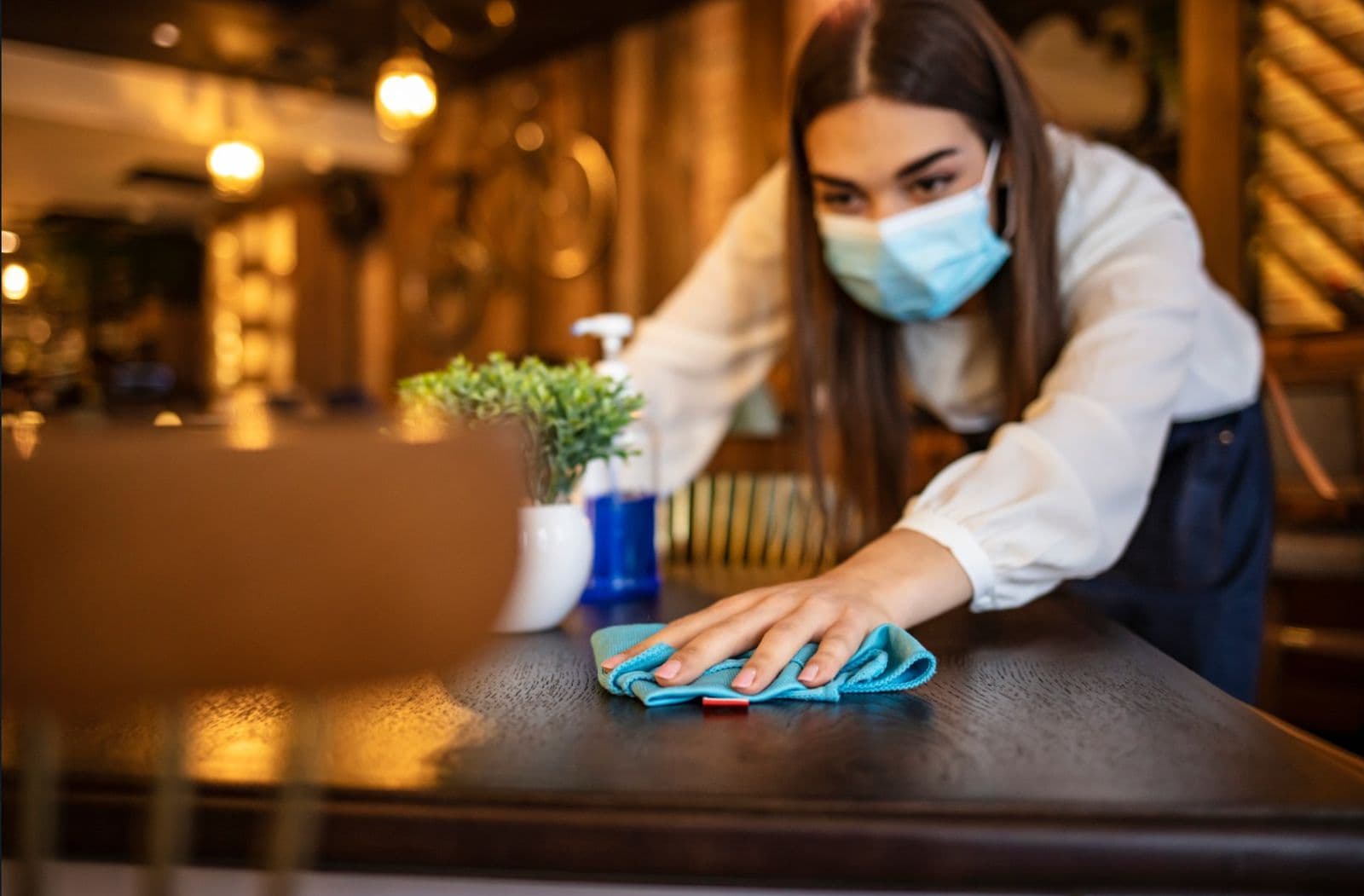
Few things matter more in food service than what you cannot see. According to the Centers for Disease Control and Prevention, the United States reports an estimated 48 million cases of foodborne illness each year, which makes cleaning and sanitizing in restaurants and any food facility non-negotiable. Bacteria and viruses commonly contaminate food and water and can lead to serious illness. The most common culprits include:
- Escherichia coli
- Norovirus
- Salmonella, which can lead to salmonellosis and enteric fever
- Campylobacter
- Listeria
- Hepatitis A virus
So what can you do as a restaurant owner to avoid these problems? The key is comprehensive training for your staff on cleaning and sanitation.
Well-defined cleaning procedures, cleaning checklists, and equipment maintenance checklists go a long way toward helping you stay on top of cleaning and sanitization.
This guide pulls together the core processes for cleaning and sanitizing a restaurant so you can serve safe, healthy food. First, a distinction: cleaning and sanitizing are two different processes, and the two should not be confused.
The difference between cleaning and sanitizing
Cleaning removes dirt from surfaces using a water and soap solution. Sanitizing uses chemicals or heat to kill germs, viruses, and bacteria on surfaces that are already clean.
- Even surfaces that appear clean to the eye may still carry germs if they are not properly sanitized.
- Food contact surfaces must be washed, rinsed, and sanitized after every use to kill germs that can lead to foodborne illness.
- Soap and chemical sanitizers should never be mixed.
- Chemical sanitizers should be mixed and used strictly according to the instructions on the package label.
- Always use test strips to check the potency of sanitizers.
- Change the sanitizing solution frequently. Dirt, food particles, and grease make it ineffective after several uses.
- Store wiping cloths in a clean sanitizer solution.
- When washing dishes by hand, all food contact surfaces and dishes must be washed, rinsed, and sanitized between uses.
Restaurant cleaning and sanitizing processes
Any surface that comes in contact with food must be cleaned before it is sanitized. These include:
- Stationary equipment
- Cutting boards
- Work tables
- Large utensils and cookware
- Service equipment
- Flatware and silverware
- Floors
- Dining tables and chairs
- Door handles
Washing dishes by hand vs. using a commercial dishwasher
The three-sink method is highly recommended for washing and sanitizing utensils by hand in a commercial kitchen.
- Clean and sanitize the sinks.
- Scrape leftover food off and dispose of it in the garbage bin.
- Wash the utensils in a hot, soapy water solution in the first sink.
- Rinse them with hot water in the second sink.
- To sanitize, soak the dishes in the third sink filled with a solution of warm water and an approved sanitizer.
- Most important, let the dishes air-dry. Wiping them with a towel invites germs to breed.
An alternative is to use a commercial dishwasher to wash, rinse, and sanitize utensils. Many of the same practices used for home dishwashers also apply to commercial dishwashers. Keep the following in mind:
- Make sure the temperature for sanitization is correct.
- Monitor the machine's temperature gauges and sanitizer levels.
- First, scrape any leftover food from the utensils into the garbage bin.
- Rinse the utensils with water and stack them in the dishwasher tray in the designated place.
- Do not stack plates on top of each other, as this disrupts proper water circulation. Place plates and other flatware such as trays and platters upright and edgewise.
- Place glasses, cups, and bowls upside down.
- Once the cycle is complete, let the dishes air-dry. Do not wipe them with a cloth before removing them from the racks.
- Carefully examine every utensil for spots, stains, soap residue, food particles, and any chipping or cracking.
Storing utensils after cleaning
Now that all utensils are clean, dried, and sanitized, the next step is to segregate and store them properly to avoid cross-contamination and keep them easy to use.
- Do not touch any part of a utensil that touches the mouth, such as the rim of a glass, the rim of a plate, or the head of a spoon or fork. Always hold silverware by the neck or handle.
- Store cups, bowls, glasses, pans, and pots upside down.
- Store utensils at least 6 inches above the floor in a clean, dry area.
Cleaning beverage dispensers
- Wash your hands and wear disposable gloves before you start cleaning the beverage dispensers.
- Remove the nozzles and diffusers from the dispensing machine and place them in a sanitizer solution.
- Clean the underside of the diffuser, the valve areas, and inside the lower valve bodies with a beverage tower brush.
- Rinse and dip the brush in a sanitizer solution before and after cleaning each valve.
- Use a clean, sanitizer-soaked towel to wipe the diffuser and valve areas.
- Remove the nozzles from the sanitizer solution and gently brush them inside with a beverage tower brush.
- Rinse the nozzles and soak them again in the sanitizer solution for a minute or two.
- Reinstall the nozzles and diffusers in the beverage dispenser machine.
- Rinse the beverage tower brush thoroughly after use.
Cleaning and sanitizing countertops
A restaurant kitchen worktop is never idle. There is always some activity, which makes it an ideal place for germs, bacteria, and viruses to thrive if it is not cleaned and sanitized after every use. Clean and sanitize countertops before and after every use. Here is what you will need:
- Two buckets, one for cleaning solution and the other for sanitizer solution
- An all-purpose cleaner to make the cleaning solution
- Sanitizer tablets
- Test strips
- Kitchen towels
- A spray bottle
- Gloves
Wear gloves and clean the surface using a water and soap solution. The water must be clean and warm, with a recommended temperature of about 110 degrees Fahrenheit for cleaning. Take a clean kitchen towel, dip it in the cleaning solution, squeeze it, and thoroughly wipe the countertop, rinsing the cloth between uses. Next, prepare your sanitizing solution and test it for potency. Fill a spray bottle, spray generously over the cleaned countertops, and wipe with a clean cloth.
General cleaning practices for staff
- All staff should wash their hands thoroughly with soap and warm water before and after food preparation, after handling raw food, after handling waste, and during stock taking.
- Minimize personal physical contact between staff.
- Disinfect and maintain all kitchen equipment.
- Maintain daily, weekly, and monthly checklists.
Ensure a safe, healthy dining experience and stay on top of health and safety compliance by training your staff on cleaning and sanitization.
See how Delightree works for your network
Walk through the platform with the team. No slides, just a real look at how it fits the way you operate.