A Comprehensive Guide to Track and Manage Food Waste in Restaurants
How food waste happens in restaurant kitchens and practical ways to track it, from food audits and inventory checks to FIFO, portion control, and composting.
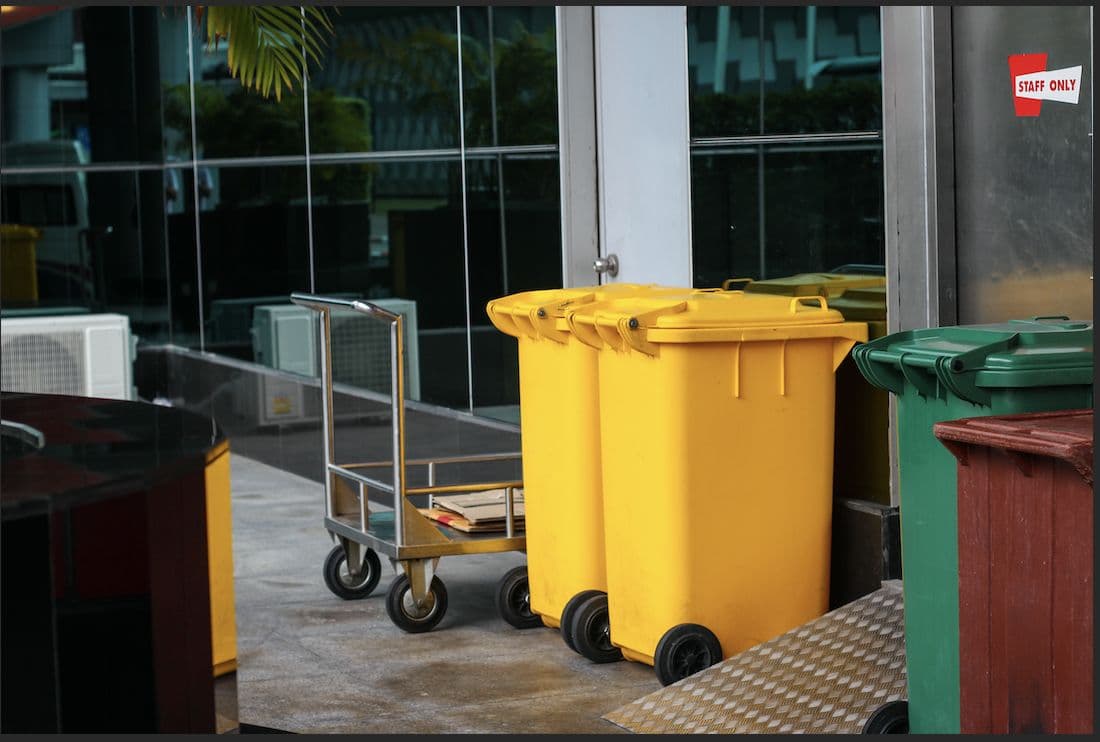
Food waste is a serious cost for restaurants. A large share of the food that comes through a commercial kitchen is thrown out before it ever reaches a guest, and every discarded ingredient is money out of the business. The waste also adds to landfill and the environmental footprint of the food industry.
If you run a restaurant and want to cut down on the food you throw away, this guide covers what causes waste in the kitchen and the steps you can take to protect your margins.
What causes food waste in restaurants?
Several factors contribute to food waste in a restaurant. The most common ones include:
- Spoilage: Food can become unfit for use because of poor handling, improper storage, or bad packaging. If food is refrigerated at the wrong temperature or held too long, it spoils and gets thrown out.
- Inconsistent portions: When kitchen staff are not trained on portion sizes, plates go out larger than planned. The extra food often comes back as leftovers, which raises waste and cuts the margin on the order.
- Refires: A refire happens when a dish is half-cooked or not made to the guest's instructions and sent back to the kitchen. Whatever the reason, it doubles the cost of preparing that plate and adds to waste.
- Spillage: Dropping a tray or knocking over a pan during prep or service is one of the most common kitchen incidents. Small or large, these mistakes waste food and add up to real losses.
Tips to track and reduce food waste in restaurants
Here are the practices every restaurant should build into the shift to keep food from going to waste.
Conduct a food audit
Creating a food waste tracker is one of the most effective ways to reduce waste in a restaurant. Once you have a tracker, account for all back-of-house and front-of-house food waste over a set period. Record the amount of each item, how and when it was wasted, and the name of the staff member who reported it. Tracking waste through an audit shows you where to act to prevent spoilage and loss.
Manage inventory
Managing stock inventory is hard work, especially in a large restaurant. Assigning a few staff members to take inventory by hand or through your POS system on a daily, weekly, or monthly basis helps you track and reduce waste. POS systems are useful for order planning, forecasting, and reports, and counting inventory by hand makes sure ingredients are not over-ordered.
Buy only what you need
Purchase only the ingredients you are sure the business will use. Stocking up or buying in bulk at a discount can be tempting, but it leaves you with excess inventory you do not need. If those items are not used before their expiration date, they spoil and go to waste.
Store food correctly
Check that freezers and refrigerators are set to safe temperatures so food is stored properly. Correct storage preserves quality and keeps bacteria at bay. Low-risk foods should be stored on higher shelves than high-risk foods, and storage areas should stay clean and tidy.
Label everything
When storing food in containers, label them with allergens and use-by dates. Good stock organization and labeling make it much easier to track what you have and use soon-to-expire items first. This cuts down on errors and helps you reduce waste in your restaurant.
Stick to the FIFO rule
The FIFO (First In, First Out) method helps restaurants cut spoilage and run a more eco-friendly, profitable kitchen. To stay FIFO compliant, organize each item on your shelves so the oldest stock gets used first.
Get the portion size right
Portion control is one of the most effective ways to cut leftovers and waste. Large portions may feel like a service to customers, but the excess often ends up in the bin. Standardize portion sizes for each menu item and serve those portions consistently.
Compost instead of throwing away
Composting kitchen scraps is better than tossing them in the trash. It can seem complicated, but it is one of the most effective ways to keep waste out of landfills. Building recycling and composting into your business model cuts waste significantly. If your restaurant has no garden, consider giving scraps to gardeners or local farmers.
Wrapping it up
Reducing food waste in a commercial kitchen can feel daunting at first, but once you and your team get the hang of it, it becomes part of the routine. Put these practices to work in your restaurant. Leftover food can go to free staff meals or to a local charity rather than the trash. Saving it protects both your business and the environment.
See how Delightree works for your network
Walk through the platform with the team. No slides, just a real look at how it fits the way you operate.