10 Different Types of Restaurants – A Complete Guide
A complete guide to the 10 main types of restaurants, from fine dining and fast casual to food trucks and pop-ups, and the factors that set each format apart.
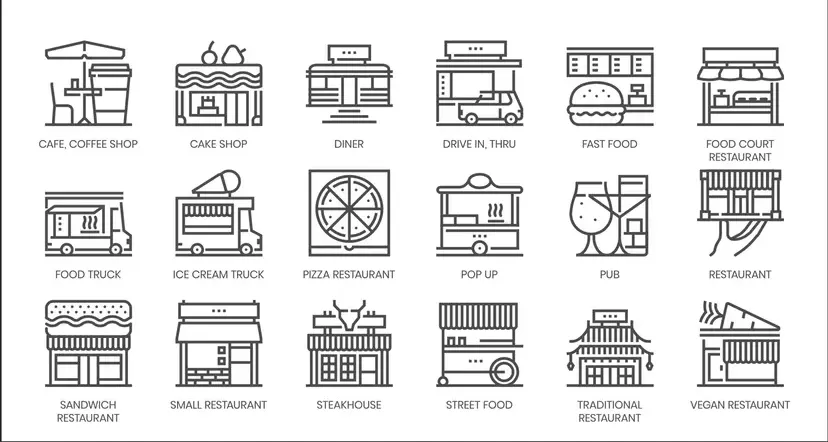
Many people dream of owning a restaurant or a chain of restaurants at some point. If you are one of them, you are lucky to live in a time when the restaurant business is booming. Americans eat out often, so now can be a good time to begin your restaurant journey. Starting any venture requires in-depth research and a thorough understanding of the industry to make informed choices.
Educating yourself about the different types of restaurants is a logical starting point. Restaurants can be classified by menu style, the experience they offer (fine dining or casual), business model, theme, and pricing, among many factors. In this guide, we look at the differentiating factors and the different types of restaurants.
Elements that define different types of restaurants
Dine-in experience and service levels
One of the most significant factors that define how casual or high-end a restaurant is are its decor, service levels (full-service or self-service), how guests are expected to dress, how the staff dresses, and the overall air of formality. Based on these parameters, restaurants fall into two broad categories:
- Fine dining restaurant: luxurious decor, formal dress, full service, a five-course menu, exceptional service, and attentive servers.
- Casual restaurant: a relaxed, laid-back vibe, youthful and contemporary decor, a casual dress code, full table and counter service, and friendly, less formal servers.
Price point
Another differentiating element is the price point. Depending on the menu, location, and brand positioning, a restaurant can range from inexpensive to quite pricey:
- $ Inexpensive
- $$ Moderately priced
- $$$ Pricey
- $$$$ Priciest
Most fast food chains, for instance, fall under the inexpensive or moderately priced categories. Fine-dining restaurants, cafes, and pubs usually fall under the pricey and priciest categories.
Type of food served
The type of food a restaurant serves is another differentiating factor. The menu may be based on cuisine from a particular region, such as Chinese, Japanese, Indian, Italian, Middle-Eastern, or European. There may be chef-special restaurants as well, which feature innovations from the chef. Gordon Ramsay's chain of restaurants in the US is one such example.
Different types of restaurants
1. Fine dining
A fine-dining restaurant has high-end, luxurious decor and a formal atmosphere. Staff and servers are attentive and follow a set protocol to serve guests. The food comprises exotic dishes and an elaborate five-course meal paired with wines. Some fine-dining places have sommeliers to assist guests with food and wine pairings. Fine-dining restaurants are usually on the pricier side, and guests are often expected to follow a specific dress code.
2. Casual dining
Casual restaurants can vary significantly from each other based on the food they serve and the customers they target. A few things are common across them: they are moderately priced, have a laid-back atmosphere, often use theme-based or quirky decor, and offer a wide menu that frequently includes a variety of cuisines.
3. Family restaurant
Family-style restaurants usually serve large shareable platters for big groups, and individual portions too. They can be fine dining or casual, but the seating is designed so large groups can sit together. The food is moderately priced and served at the table. A family restaurant may or may not offer wine and alcohol, but it offers a variety of hot and cold beverages for all age groups. Because the target customers are usually families, the cuisine spans options such as Italian-American, Chinese-American, traditional American food, stir-fries, and finger foods.
4. Fast casual
Fast-casual restaurants are a good choice for people looking for quick, healthy eating options at an affordable price compared with sit-down casual restaurants. Service is typically over the counter rather than at the table. Customers can order from a menu or build their own customizable meals at the counter. The food includes sandwiches, salads, burritos, and tacos, with casual, relaxed seating. California Burritos is one popular fast-casual chain in the US. Fast-casual restaurants are growing in popularity because they balance healthy food, a casual atmosphere, and delivery speed.
5. Contemporary casual
Contemporary casual restaurants have become a trend in recent years. Modern and trendy with a distinct brand identity, these restaurants follow eco-friendly practices and serve unique, healthy, fusion cuisine. Food is served at the table, with special attention to presentation, decor, and the overall atmosphere. These restaurants target young professionals in metropolitan and urban areas.
6. Fast food joints
Also known as quick service restaurants (QSR), fast food joints are the most popular format. Popular US chains include McDonald's, Burger King, Wendy's, KFC, and Dunkin'. Fast food joints have a distinct brand identity and a similar look and feel across all outlets. They serve food over the counter or a drive-thru and are inexpensive, with a fixed menu of mass-produced, pre-cooked food for fast service. Many people want to own a fast-food franchise because established brands already have a large customer base.
7. Coffee house
Coffee houses have gained immense popularity, with the likes of Starbucks and The Coffee Bean & Tea Leaf opening locations across the globe. They offer a limited collection of cold and hot foods, gourmet bakery fare such as croissants and sandwiches, casual seating well suited to a relaxed business meeting or long hours of work, self-service, and a young, trendy vibe. The focus is on a variety of hot and cold beverages, with coffee taking center stage.
8. Bars and pubs
Alcohol and the bar area take center stage in these establishments. The food menu is limited to finger foods, burgers, and pizzas. Some bars and pubs have a self-seating bar area, a dance floor, a live DJ, or loud music. Most do not allow guests below 18 years of age.
9. Food trucks
A food truck is a great way to test the waters before investing in a full-fledged restaurant. Food trucks operate from a vehicle, move from one location to another, offer counter service, and have no seating. The menu is usually limited to varieties of a single food item such as burgers, sandwiches, pizzas, ice creams, or fries.
10. Pop-up restaurants
These are temporary establishments that open at a location for a limited time. With both self-serve and table service, they usually have limited seating and a limited menu. The concept is often unique, and this format is a great way to test a concept and menu before making a large investment.
Our lifestyles, environment, and work culture are evolving fast, and so is the food business. The sky is the limit when it comes to being creative. Give your own flavor to your restaurant, or choose a style that attracts you the most, assess your projections and investment capacity, and begin your restaurant journey.
See how Delightree works for your network
Walk through the platform with the team. No slides, just a real look at how it fits the way you operate.